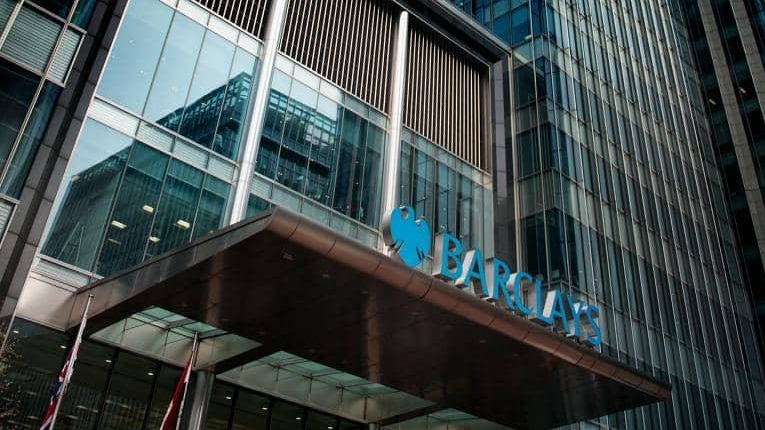
Some of the UK’s largest banks – Barclays, TSB, Lloyds, and Santander – are reportedly demanding that Facebook, Google, and telecom firms compensate the victims of scams on social media.
The banks say that BigTech businesses are not paying their fair share amidst the rising levels of digital fraud in Britain, according to a report by The Telegraph.
The four organisations are supporting a “polluter pays” principle which would force companies like Facebook to contribute to a collective reserve of funds for victims of online scams, said the newspaper.
Currently banks are operating under a voluntary reimbursement code which was launched in May 2019.
Last year consumer organisation Which? claimed that less than half of bank transfer scam losses have been compensated under the scheme.
Social media brands like Facebook and Instagram, alongside Google, and telecom companies, do not currently pay any compensation to victims of fraud.
The report says that research from Barclays found that over 75 per cent of online scams occur on social media, auction sites, or dating apps.
£583 million was lost by victims of authorised push payment (APP) fraud in 2021, an increase of over 25 per cent compared to the previous year, according to figures from UK Finance.
“We would like to see a cross-sector pot funded by a polluter pays principle,” wrote Sian McIntyre, head of economic crime at Barclays for The Telegraph. “Those companies that enable scams on their platforms or services should be putting money into that pot.”
McIntyre added that text messages sent by online criminals are enabled by telecom providers and if a fraudulent link is clicked on by a victim this is facilitated by an internet provider.
“If a customer clicks on a criminal advert on social media this will be hosted by a tech firm and when the victim parts with their funds their bank should attempt to block transactions,” explained the banking executive. “All companies and sectors involved in enabling scams should be mandated to regularly publish their data, including what action they are taking, and contribute to victim compensation.”


Latest News
-
Global banks collaborate on principles for trustworthy agentic commerce
-
Deutsche Bank rolls out agentic AI to streamline KYC onboarding in private banking
-
ECB launches Pontes to settle tokenised assets in central bank money
-
Société Générale targets nearly €600m in AI savings by 2029
-
Binance ‘under investigation’ over potential Iran sanction violations
-
Barclays invests in UK branch network with new openings and digital upgrades



Creating value together: Strategic partnerships in the age of GCCs
As Global Capability Centres reshape the financial services landscape, one question stands out: how do leading banks balance in-house innovation with strategic partnerships to drive real transformation?


Data trust in the AI era: Building customer confidence through responsible banking
In the second episode of FStech’s three-part video podcast series sponsored by HCLTech, Sudip Lahiri, Executive Vice President & Head of Financial Services for Europe & UKI at HCLTech examines the critical relationship between data trust, transparency, and responsible AI implementation in financial services.
Banking's GenAI evolution: Beyond the hype, building the future
In the first episode of a three-part video podcast series sponsored by HCLTech, Sudip Lahiri, Executive Vice President & Head of Financial Services for Europe & UKI at HCLTech explores how financial institutions can navigate the transformative potential of Generative AI while building lasting foundations for innovation.
Beyond compliance: Building unshakeable operational resilience in financial services
In today's rapidly evolving financial landscape, operational resilience has become a critical focus for institutions worldwide. As regulatory requirements grow more complex and cyber threats, particularly ransomware, become increasingly sophisticated, financial services providers must adapt and strengthen their defences. The intersection of compliance, technology, and security presents both challenges and opportunities.







© 2019 Perspective Publishing Privacy & Cookies
Recent Stories