Big Tech companies such as Amazon and Google are more trusted by the public than traditional banks, according to a new survey, suggesting that new financial products such as the Apple Card could pose a challenge to incumbents.
Following the announcement that Apple is launching a credit card service to the US market last month, a Harris 24 survey of 542 consumers revealed that 39 per cent had ‘a lot or a great deal of confidence’ in tech firms, compared with the 31 per cent who said they trusted credit card companies.
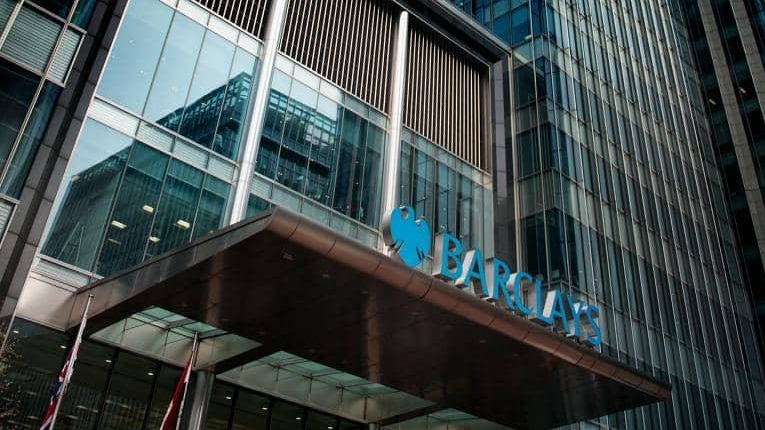
However, despite growing expectations that Big Tech entry into financial services could spell trouble for banks, the survey also found that consumers would still trust an established financial services company such as Barclaycard - which scored a trust rating of 52 per cent - or payments provider PayPal - 36 per cent - over a tech challenger.
When asked about the prospect of the Apple Card arriving in the UK market, users of Apple’s iPhone were most receptive, with 52 per saying they would apply for one, compared to the 27 per cent of general consumers who said they would consider getting one.
The key features which would be most likely to persuade customers to sign up for an Apple Card were: zero fees (81 per cent), one to three per cent cash back (76 per cent), instant mobile notifications (66 per cent), customer support by messaging (48 per cent), a minimalist platinum design card (35 per cent) and the ability to integrate the card with a smart phone (33 per cent).
However, the survey suggested that at present Apple would not be consumers’ first choice of tech firm, with 27 per cent saying they would opt for a credit card from Amazon, followed by Google on 18 per cent and Apple on 17 per cent.
The entry into financial services could also give a boost to iPhone sales, the survey found, with one in five (19 per cent) saying it would make them more likely to buy an iPhone in the future, rising to a third of current iPhone owners.
The report stated: “Whilst there is more trust in tech companies overall, this has not yet translated into consideration for financial products. As consumers become more familiar with Apple and others offering credit cards though, they are likely to close the gap.”
Michael Worledge, head of financial services research at Harris Interactive, said: “A lot of people are very wedded to their suite of Apple products, so why not have their credit card too?”
However, he said this move from one of the world’s largest tech producers was more significant than a simple sidestep into credit cards.
Worledge concluded: “Providers from across financial services should keep an eye on how it does and continue innovating, providing better products and experiences for consumers.”


Latest News
-
Gemini to cut quarter of workforce and exit UK, EU and Australia as crypto slump forces retrenchment
-
Bank ABC’s mobile-only ila bank migrates to core banking platform
-
Visa launches platform to accelerate small business growth in US
-
NatWest to expand Accelerator programme to 50,000 members in 2026
-
BBVA joins European stablecoin coalition
-
eToro partners with Amundi to launch equity portfolio with exposure to ‘megatrends’



Creating value together: Strategic partnerships in the age of GCCs
As Global Capability Centres reshape the financial services landscape, one question stands out: how do leading banks balance in-house innovation with strategic partnerships to drive real transformation?

Data trust in the AI era: Building customer confidence through responsible banking
In the second episode of FStech’s three-part video podcast series sponsored by HCLTech, Sudip Lahiri, Executive Vice President & Head of Financial Services for Europe & UKI at HCLTech examines the critical relationship between data trust, transparency, and responsible AI implementation in financial services.
Banking's GenAI evolution: Beyond the hype, building the future
In the first episode of a three-part video podcast series sponsored by HCLTech, Sudip Lahiri, Executive Vice President & Head of Financial Services for Europe & UKI at HCLTech explores how financial institutions can navigate the transformative potential of Generative AI while building lasting foundations for innovation.
Beyond compliance: Building unshakeable operational resilience in financial services
In today's rapidly evolving financial landscape, operational resilience has become a critical focus for institutions worldwide. As regulatory requirements grow more complex and cyber threats, particularly ransomware, become increasingly sophisticated, financial services providers must adapt and strengthen their defences. The intersection of compliance, technology, and security presents both challenges and opportunities.





© 2019 Perspective Publishing Privacy & Cookies
Recent Stories