The emergency budget unveiled by Chancellor George Osborne includes £40bn of welfare cuts, public sector pay freezes and tax hikes, including a rise in VAT to 20 per cent from January, but the banking sector didn’t get hit as hard as expected with a planned £2.5bn annual levy introduced in the new year, rather than the rumoured £5bn, and no clampdown on City bonuses. The cut in corporation tax over the next four years, from 28 to 24 per cent, will also assist banks.
In a statement Deutsche Bank’s analysts predict that the reduction in corporation tax unveiled in the so-called austerity budget, which Chancellor Osborne promised would be “fair for all”, will increase profits at the big five UK banks by £1.16bn in the first two years, following the two per cent cut in 2012. More savings will accrue as it reduces a further two per cent by 2014, helping banks to repair their balance sheets if they haven’t already done so as fears over the sovereign debt crisis in the eurozone and the instability of Spanish banks and others, threatens a second financial meltdown. Perhaps these fears of a second crunch are what persuaded the Chancellor to go relatively easy on the sector, prompting Deutsche Bank to describe the budget as “a good outcome for banks”.
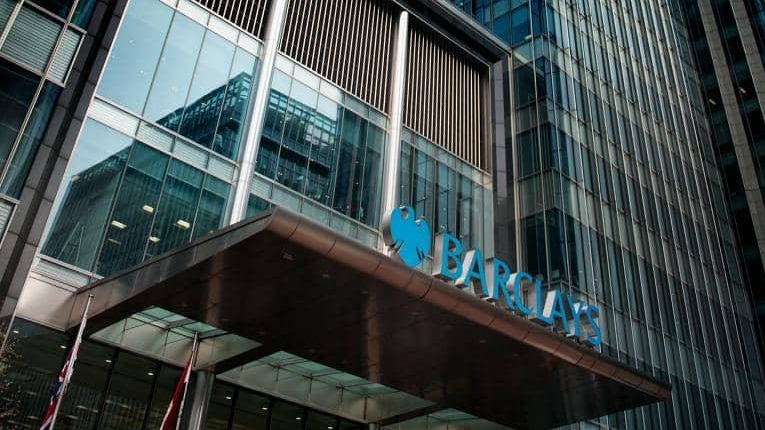
The banking sector will have to pay out an annual levy, estimated at £2.5bn, on their balance sheets, but this is less than originally feared, especially if you take the viewpoint that “the failure of the banks imposed a huge cost on the rest of society”, as Osborne himself said during his emergency budget speech. The levy will be on UK institutions and those with UK offices and operations. Other countries are already planning their own national levies too, especially major competitors such as the US, France and Germany, so the threat of arbitrage is negated, and a global consensus is coalescing around the IMF tax plans for the sector, which are likely to be confirmed at the impending G20 meeting in Canada (see HERE)
There were warnings from some in the industry that the levy could adversely affect loan rates and business lending but with no bonus tax either on City bonuses the charge isn’t too onerous. Commenting on the move, the British Bankers’ Association (BBA) said “banks are committed to working with the government to ensure new bank levies balance tax raising objectives with the need to keep the recovery moving. The industry fully understands the part it must play in helping the recovery.”
Sounding a warning about ensuring global cooperation on levies though, the BBA added: “The UK is not the only country creating some form of levy, so they need to be coordinated and must not prevent the industry in the UK from being able to compete. It is essential that international banks based here do not find themselves taxed multiple times for the same thing”.
The levy applies to all major banks and building societies operating in the UK regardless of nationality but Brian Morris, head of savings policy at the Building Societies Association (BSA) was pleased to note that “the Chancellor has exempted smaller deposit takers from the levy”.
• For the full Budget report please see HERE


Latest News
-
Intesa launches €30.6bn bid for Monte dei Paschi
-
Monzo partners with non-profit to widen access to credit
-
UK Finance sets out roadmap for stronger UK-EU financial services ties
-
Revolut cofounder steps down as CTO after decade
-
Lloyds partners with Microsoft to scale agentic AI strategy
-
UK regulator warns AI cyber risks pose top banking threat



Creating value together: Strategic partnerships in the age of GCCs
As Global Capability Centres reshape the financial services landscape, one question stands out: how do leading banks balance in-house innovation with strategic partnerships to drive real transformation?


Data trust in the AI era: Building customer confidence through responsible banking
In the second episode of FStech’s three-part video podcast series sponsored by HCLTech, Sudip Lahiri, Executive Vice President & Head of Financial Services for Europe & UKI at HCLTech examines the critical relationship between data trust, transparency, and responsible AI implementation in financial services.
Banking's GenAI evolution: Beyond the hype, building the future
In the first episode of a three-part video podcast series sponsored by HCLTech, Sudip Lahiri, Executive Vice President & Head of Financial Services for Europe & UKI at HCLTech explores how financial institutions can navigate the transformative potential of Generative AI while building lasting foundations for innovation.
Beyond compliance: Building unshakeable operational resilience in financial services
In today's rapidly evolving financial landscape, operational resilience has become a critical focus for institutions worldwide. As regulatory requirements grow more complex and cyber threats, particularly ransomware, become increasingly sophisticated, financial services providers must adapt and strengthen their defences. The intersection of compliance, technology, and security presents both challenges and opportunities.








© 2019 Perspective Publishing Privacy & Cookies
Recent Stories